Noticias
Barcelona’s tech talent calls for workspaces that foster concentration
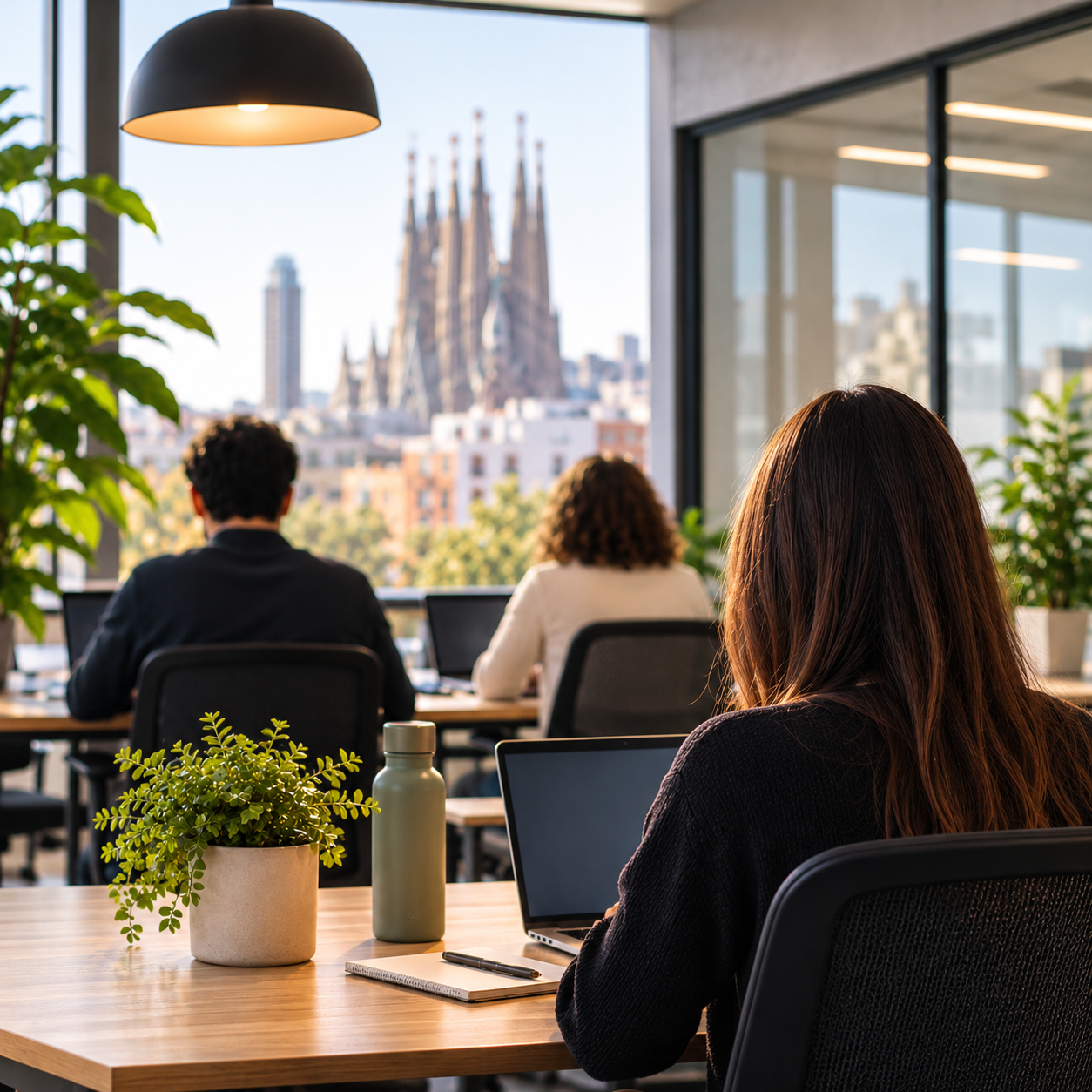
The hybrid working model is well established within Barcelona’s technology ecosystem, but the design of workspaces has not kept pace with this evolution. This is the main conclusion of a study conducted by JLL and Tech Barcelona examining how physical spaces shape the working experience of technology professionals in the city.
The adoption of workplace flexibility is reflected, first and foremost, in the level of autonomy professionals have when choosing where to work: 43% have no restrictions on where they work, 36% follow non-mandatory guidelines, and only 21% have fixed days assigned.
However, this freedom is not equally distributed. Large international companies (62% offering full flexibility, compared with 34% of Spanish companies) and startups (56%, compared with 34% of other organisations) are the ones granting the greatest autonomy. By contrast, neither the importance individuals attach to their tasks, nor their age or length of service at the company, influences the level of autonomy they are given: policies are applied uniformly, regardless of individual profiles.
The great mismatch: what professionals value most is what receives the least space
When technology professionals are asked which activities matter most to them, focused work and scheduled meetings top the list (4.5 out of 5), followed closely by rest and switching off, which rank at the same level as social interaction (3.8 out of 5).
The problem is that the most important activity — the ability to concentrate — is precisely the one receiving the least support, both in the office and in coworking spaces. This paradox is also confirmed by JLL’s Global HX Trends report, making investment in spaces designed for focused work the clearest priority for companies.
When given the freedom to choose, talent uses it strategically: those who place greater value on social interaction are also the ones who go to the office most often. This suggests that well-managed autonomy brings people closer to the environments they genuinely need.
Silence and privacy: the keys to performance
The study identifies a recurring pattern across all three working environments: the factors most closely associated with a space’s ability to support work are noise control and privacy. In the office, low noise levels stand out (85% reporting high levels of support among those who benefit from them, compared with 34% among those who do not). At home, acoustic insulation (41% compared with 18%) and having an external monitor are key factors. In coworking spaces, privacy from the movement of other people is particularly important.
This issue, which may appear to be a matter of comfort, is linked to aspects that go beyond everyday working conditions: people who feel their primary workspace helps them work report significantly higher levels of work engagement (75% compared with 54%). In turn, those who are more engaged also tend to perceive better performance in their tasks (60% compared with 41%). Physical space therefore acts as the first link in a chain that extends all the way to performance, although it cannot guarantee it on its own.
“Since the pandemic, the focus has been primarily on developing open spaces designed to encourage collaboration, while focused work has taken a back seat. Restoring that balance — through better noise management, acoustics and privacy — is where the greatest opportunity for improvement lies today”, [quote from Laura Caballero (spokesperson)].