




Postings

Tu empresa vende, pero tú sigues siendo el sistema. Una foto gratuita para ver dónde estás

Por Scaleupventas.com

07 Oct 2026

Si diriges una empresa tech o industrial B2B, probablemente esto te suena.

Vendes. Cuando llega una oportunidad, sabes cerrarla. Pero no controlas cuándo llegará la siguiente, y cada mes parece que empiezas desde cero. Casi todo pasa por ti: los contactos, las conversaciones, las decisiones sobre a quién llamar y qué decir.

Y en algún momento te surge la duda que casi nadie dice en voz alta: ¿el problema es de foco, de sistema, o simplemente no es el momento de invertir más en ventas?

Llevo 26 años vendiendo tecnología B2B y he acompañado a más de 20 empresas. Te puedo decir que esa duda es normal y que casi siempre tiene una causa: falta de claridad sobre qué está funcionando, qué no y qué merece de verdad tu energía. No siempre se trata de vender más.

Por eso creé el Radar de Madurez Comercial, un autodiagnóstico gratuito pensado para CEOs, founders y directores comerciales de empresas tech e industriales B2B que ya venden y quieren una primera foto honesta del estado real de su sistema de ventas.

No es un test rápido ni una solución mágica. Es una herramienta de criterio.

Al terminarlo pueden pasar dos cosas:

  1. Ves con claridad dónde hay palancas reales en las que trabajar, y, si quieres, lo hablamos.
  2. Confirmas que todo va razonablemente bien, que no toca mover nada y que puedes seguir con tranquilidad.

Las dos son buenas noticias. Vender bien no va de hacer más cosas, sino de hacer lo que toca en el momento adecuado.

Autodiagnòstico gratuito https://www.scaleupventas.com/autodiagnostico-ventas-b2b/

Postings

How to Organise the Perfect Press Conference to Generate Impact

Por LF Channel

Organising a successful press conference is not simply a matter of inviting a number of journalists and waiting for them to ask questions. To genuinely generate coverage, visibility and reputation, it is essential to work on every detail before, during and after the meeting with the media. When a company prepares a press conference properly, it not only increases its chances of securing media coverage, but also conveys professionalism, credibility and control over its message.

When Is It Worth Holding a Press Conference?

Planning and the relevance of the message are key factors in the success of a media event. As stated in the Good Practice Guide on the relationship between communications professionals and journalists, promoted by the Association of Public Relations and Communication Consultancy Firms (ADECEC) and the Spanish Association of Communication Directors (Dircom): “If it does not represent a real difference in terms of news content, journalists would rather receive a press release or statement than have to travel to a press conference. Regarding the latter, they generally consider that more are organised than necessary.”

One of the most common questions is whether there is really a sufficiently noteworthy reason to invite the media. The answer is straightforward: a press conference should deliver genuinely newsworthy information and have an angle that is of interest to journalists.

Not every announcement warrants a press conference. Some examples of situations that may justify holding one include:
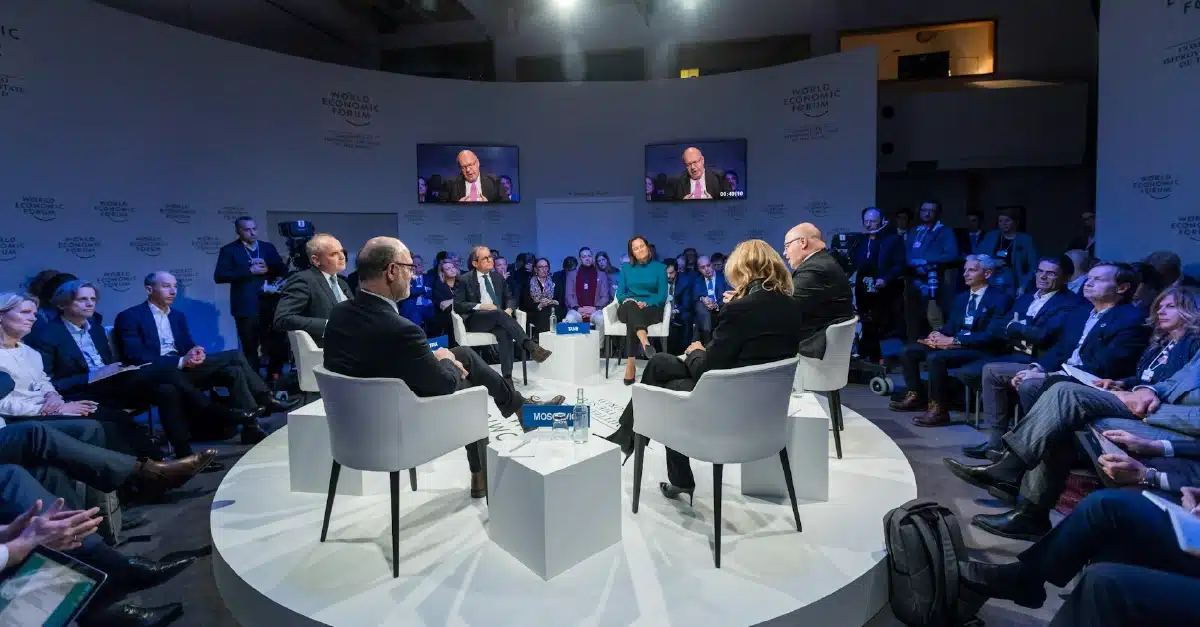
Cómo organizar la rueda de prensa perfecta para generar impacto

Launch of a New Product or Service

If a company is introducing a genuinely significant new product or a new business line, a press conference can be a suitable way to announce it. However, this will depend on the type of company. For a business that launches a large number of products each year, it would not make sense to organise a press conference for every launch. Instead, it would be more advisable to use the press conference to present the entire product range.

Announcing Results, Milestones or Investments

A good time to use this format is to announce major acquisitions, expansions, strategic agreements, significant changes in leadership or particularly noteworthy results. This type of press conference is likely to be of particular interest to business journalists, especially when it involves large international companies or publicly listed businesses.

Managing a Crisis or Sensitive Issue

In these situations, it is more important than ever to have all communication materials and resources fully prepared: the company’s position, key messages, potential questions, challenging issues and spokespeople trained to respond with confidence and consistency.

However, a press conference is not always the best option when dealing with a crisis. If there is a risk that the event could backfire on the brand, amplify the issue or create further media pressure, it may be advisable to consider other alternatives, such as preparing a reactive statement, giving controlled interviews or holding one-to-one meetings with the journalists following the story most closely.

The key is to assess whether the format will genuinely help communicate the company’s message or, on the contrary, make it more difficult to maintain control over the communication.

Before the Press Conference: Preparation Is Everything

The preparation phase of any press conference largely determines the success of the event. Good organisation minimises unexpected issues and ensures that the message is communicated clearly.

1. Define the Objective and Main Message

Before sending out the invitation, we should answer two questions: What do we want to communicate? and What do we want to achieve? The main message should be clear, concise and easy to remember. The more specific it is, the more likely journalists are to report it accurately. It is also advisable to prepare two or three secondary messages that help reinforce the main idea.

2. Choose the Right Date, Time and Venue

Logistics have a direct impact on attendance. Avoid dates close to public holidays, major events or periods of heavy news coverage. In general, early mornings tend to work better, as they give journalists enough time to prepare their stories and publish them on the same day.

The chosen venue should meet several requirements to make journalists’ work easier and ensure that the event runs smoothly:

  • Be easily accessible, both by public transport and by car, to encourage attendance and prevent the location from becoming an obstacle for journalists.
  • Provide comfort and the necessary facilities for attendees, such as registration areas, cloakrooms, rooms for one-to-one interviews or parking.
  • Have enough space for cameras, sound equipment and photographers, allowing the media to work comfortably and capture high-quality images and statements.
  • Reflect the company’s identity and values, as the setting is also part of the communication and helps reinforce the message the company wants to convey.

3. Conduct Tests and Rehearsals Before the Press Conference

One of the most common mistakes when organising a press conference is assuming that everything will go smoothly without carrying out any prior testing. Rehearsing the event in advance makes it possible to identify technical issues, adjust timings and better prepare the spokespeople.

Ideally, the rehearsal should be as realistic as possible, simulating both the opening presentation and the Q&A session. This helps determine whether the pace is appropriate, whether the key messages are clearly understood and whether the spokespeople respond naturally and confidently. This type of simulation also helps coordinate and improve logistical aspects, such as the speakers’ entrance, the use of presentations, sound, and the positioning of cameras and photographers.

If the press conference is hybrid (a physical event with an online broadcast) or fully virtual, this becomes even more important. It is essential to test the streaming platform, connection, microphones, cameras and all audio and video systems in advance to avoid technical issues during the event.

4. Select the right media

Not every press conference is of interest to every journalist. That’s why a key part of the work is putting together a well-targeted invitation list.

It’s better to invite fewer media outlets that are genuinely interested than to send a mass mailing with no segmentation. Analyse and identify which journalists cover the sector, what angle they usually take and what might be relevant to them.

5. Prepare Supporting Materials

A press conference works much better when journalists receive useful and well-organised information. Having supporting materials prepared in advance not only makes the media’s job easier, but also helps ensure that the company’s key messages are communicated clearly and consistently. Some of the main resources worth preparing include:

  • Press kit or press release. It should include the main facts, figures, context and relevant statements from the company’s spokespeople. The clearer and more organised it is, the easier it will be for journalists to work with the information provided and, consequently, with the company’s key messages.
  • Images and audiovisual resources. Providing photographs, videos and graphic assets makes journalists’ work considerably easier, particularly in digital media and television, whose coverage relies heavily on this type of material.
  • Internal Q&A document. Preparing a list of potential questions, including challenging ones, helps ensure that spokespeople respond with confidence and consistency.

During the Press Conference: Clarity, Pace and Approachability

The event itself is a decisive moment. Everything that has been prepared beforehand needs to be executed smoothly and professionally.

Pay Attention to the Presentation

Appearance matters. The space, lighting, positioning of the spokespeople and tone of the presentation all have a direct impact on how the media perceive the event.

A press conference that is too long or poorly organised can quickly lead to a loss of interest. Ideally, the main presentation should not exceed 20 or 30 minutes, followed by a sufficiently long Q&A session.

Choose the Right Spokespeople

The best expert is not always the best spokesperson. The person speaking should be able to communicate clearly, convey confidence and respond naturally. To ensure this, it is advisable for the spokesperson to undergo prior preparation or media training, particularly when it is an important or sensitive media appearance.

Handle Questions Transparently

Journalists’ questions are an opportunity, not a problem. They allow you to expand on the message, clarify doubts and demonstrate approachability. Avoiding questions or becoming defensive can generate more distrust than the answer itself. If you do not have a specific piece of information, it is better to acknowledge it and, whenever possible, commit to providing it afterwards.

After the Press Conference: The Work Is Not Over

Many companies make the mistake of thinking that a press conference ends when journalists leave the room. In reality, there is still another phase to consider, and the work that follows is just as important as everything done up to that point.

Once the press conference is over, it is advisable to quickly send the press release, images and any additional materials. It is also worth sharing these with media outlets that were unable to attend, as they may still be interested in covering the story.

Follow Up Personally

Post-event follow-up can make the difference between simple attendance and quality media coverage. Calling or contacting specific journalists allows you to answer questions, facilitate additional interviews, offer exclusive statements and confirm publication timelines. It can also serve as a reminder of the event.

Measure the Results

To determine whether the press conference has been truly effective, it is necessary to analyse the results. It is not enough to look at attendance or the number of pieces of coverage generated; it is also important to measure the reach of the event and check whether the key messages were communicated correctly. Some of the main indicators include:

  • Number of attendees. This data helps determine whether the event was sufficiently appealing and whether the media selection was appropriate.
  • Coverage generated. Analyse how many media outlets published the story, which messages they highlighted and the overall tone of the coverage.
  • Analysis of the quality and tone of the coverage. Beyond the number of media hits generated, it is essential to assess the quality of the coverage. Not all media appearances have the same value: in-depth coverage in a specialised outlet may be more relevant than several superficial mentions in major general-interest media.

It is also important to assess the tone of the coverage: whether it is positive, neutral or negative, and whether the company’s key messages have been interpreted correctly. A successful press conference is one that manages to turn a corporate message into a newsworthy story for both the media and the audience.

The Importance of Having a Communication Strategy

Organising a successful press conference requires a strategy. From selecting journalists to post-event follow-up, every stage has an impact on the outcome. That is why many companies choose to work with a communications agency that can coordinate the entire process and ensure that the message reaches the right audiences.

At LF Channel, we help companies across different sectors design media events, prepare spokespeople and maximise the impact of their media relations. A press conference is not just an event; it is an opportunity to build reputation and visibility.

Postings

Tecnología contra el “Siempre se ha hecho así”

Por Qonto

Qonto y Barcelona Finance Hub se unen para cuestionar inercias, repensar procesos y descubrir nuevas formas de trabajar y crecer.

«Siempre se ha hecho así»: la frase que más frena a tu negocio

Una mesa redonda sobre cómo cuestionar inercias, tomar mejores decisiones y encontrar nuevas formas de trabajar y crecer.

En un entorno empresarial que cambia a gran velocidad, seguir haciendo las cosas como siempre puede convertirse en una barrera para avanzar.

En esta mesa redonda, Qonto, Factorial y Barcelona Finance Hub pondrán sobre la mesa algunas de las inercias más habituales en las empresas y debatirán sobre qué merece la pena replantear: desde la gestión de los equipos y los procesos internos hasta la forma en que incorporamos tecnología para hacer el día a día más eficiente.

Una conversación para compartir experiencias, cuestionar algunas de las reglas no escritas que seguimos aplicando y descubrir nuevas perspectivas que pueden ayudarnos a trabajar mejor y preparar nuestros negocios para lo que viene.

Porque a veces, la mejor forma de avanzar es empezar por preguntarnos por qué seguimos haciéndolo así.

Postings

Ninguna herramienta de visibilidad en IA te dice en qué merece la pena invertir las horas de tu CMO

Por SEOritmo

02 Oct 2026

Si en tu empresa o agencia trabajas en SEO y GEO, probablemente estés pagando por herramientas con seguimiento de prompts, dashboards interminables y auditorías de rendimiento.

SEOritmo centraliza todos los datos orgánicos relevantes de tu stack de Google y de herramientas externas de IA, y los convierte en oportunidades prioritarias y accionables, con retornos esperados, listas para que el CMO las apruebe.

Estamos seleccionando 5 empresas para formar parte de la lista de espera de la Beta y probar la herramienta gratis.

Deja de gastar tiempo y dinero de forma innecesaria y únete al programa para agencias fundadoras.

Postings

System Integration Engineer

Por Quantica3D IBERIA

22 Sep 2026

Quantica es una empresa de fabricación aditiva que desarrolla tecnología de impresión NovoJet™ para trabajar con materiales de alta viscosidad.

Buscan un/a Ingeniero/a de Integración de Sistemas en Sant Cugat del Vallès (Barcelona).

El puesto incluye:

  • 60-70 % de trabajo práctico en laboratorio.
  • Integración y optimización de sistemas de impresión.
  • Pruebas con materiales, ajuste de parámetros y waveforms.
  • Análisis de telemetría y datos con Python.
  • Diagnóstico de fallos y validación de fiabilidad.
  • Trabajo con clientes, proveedores y equipos de ingeniería.

Requisitos principales:

  • Ingeniería, Física, Ciencia de Materiales o similar.
  • 5+ años con sistemas mecatrónicos, fluidicos, inkjet, microfluídica o fabricación aditiva.
  • Experiencia con drop-watchers, cámaras de alta velocidad e instrumentación.
  • Capacidad de análisis de datos y programación en Python.
  • Inglés fluido; español/alemán son un plus.

Ofrecen: horario flexible, entorno internacional, salario competitivo, desarrollo profesional y trabajo principalmente presencial en Barcelona.

Si te interesa, apúntate aquí.

Postings

Mercado por las nubes, acceso por los suelos

Por Homter

En medio de ese desajuste, el comprador sigue siendo el único que va solo: el vendedor tiene su agencia, el banco tiene su asesor y quien compra se enfrenta a la operación más importante de su vida sin nadie de su lado.

Homter nace para cambiar eso. Somos el agente del comprador: trabajamos en exclusiva para quien compra, nunca para quien vende ni para entidades financieras. Integramos búsqueda de vivienda, intermediación hipotecaria y asesoramiento legal y fiscal en un único servicio. De principio a fin.

Si el mercado no te lo pone fácil, al menos que alguien esté de tu lado.

Postings

Tener una patente no garantiza su valor: cómo convertir una cartera de patentes en un activo estratégico y monetizable

Por PONTI & PARTNERS

Registrar una patente es una herramienta de gran valor. Bien sea como medida de protección frente a terceros o como indicador del nivel de innovación de una empresa. Pero no es lo mismo tener patentes que tener patentes monetizables.

Una cartera de patentes no adquiere potencial comercial por el simple hecho de existir o estar registrada. Su capacidad de generar ingresos dependerá de la hoja de ruta y el plan que haya detrás. La clave es entender la patente como una herramienta y no como un fin. Es un activo generador de valor, directo o indirecto.

En el siguiente texto, te mostramos todo lo que puede generar una patente y las claves para confeccionar una cartera de patentes monetizable.

Postings

¿Estás escalando tu empresa, o pensando en hacerlo?

Por Impulsa

El 50% de las empresas muere antes de los 5 años. La mayoría, sin saber por qué.

¿Estás escalando tu empresa, o pensando en hacerlo?

Descubre las 10 trampas de crecimiento que los líderes ignoran mientras su negocio crece, hasta que ya es demasiado tarde.

Aprende cuáles son las trampas y a cómo resolverlas para frenar la reactividad que destruye tu empresa desde dentro.

Esta es tu oportunidad para empezar a escalar con claridad, orden y control.

Evento para Founders, CEOs, Directivos, Managers y A-players.

Plazas limitadas.

Reserva tu entrada ahora: Reservar Entrada

Postings

Técnico/a Francófono/a – Barcelona

Por

16 Sep 2026

Uve Solutions busca incorporar un perfil técnico francófono en Barcelona.

Buscamos una persona con formación técnica o de ingeniería, nivel alto de francés y experiencia en un entorno relacionado con industria, datos, análisis de negocio o tecnología.

Si te interesa formar parte de un entorno dinámico y orientado a proyectos, ¡nos encantará conocerte! sarai.nogales@uvesolutions.com

Postings

Articulate lanza Nova y Frontline: La arquitectura de IA agéntica que descentraliza el conocimiento técnico y operativo en la empresa

Por Actua

14 Sep 2026

Articulate, la plataforma global de tecnología para el desarrollo del conocimiento utilizada por más de 125.000 organizaciones y la mayoría del Fortune 100, ha anunciado hoy el mayor despliegue tecnológico de su historia. La compañía introduce un nuevo ecosistema impulsado por IA que transforma la documentación técnica y operativa en capacidad de ejecución en tiempo real para equipos de Operaciones, IT, Ventas y Customer Success.

El lanzamiento integra Nova, un agente de IA agéntico propio desarrollado sobre más de dos décadas de arquitectura del aprendizaje; Frontline, una solución pensada para que las áreas de negocio aceleren la capacitación en su propio flujo de trabajo; y la evolución a Articulate 360 AI para la gestión avanzada y gobernanza del conocimiento corporativo

Frontline y Nova: Del silo documental a la ejecución operativa sin fricción

Hasta ahora, las organizaciones enfrentaban un cuello de botella estructural: los equipos de Operaciones, Producto o IT generaban documentación en Notion, Slack, Google Drive o PDFs que rara vez se traducían en un desempeño real de los equipos de primera línea. Con la nueva arquitectura de Articulate, la tecnología resuelve la brecha entre la información estática y la ejecución.

Frontline (Capacitación agilizada para áreas de negocio y operaciones): Permite a líderes de Operaciones, Ventas, Soporte e IT convertir presentaciones, notas de producto y procesos en kits de formación interactivos, guías paso a paso (Guides), vídeos con avatares de IA y escenarios de simulación en cuestión de minutos, eliminando dependencias y cuellos de botella.

Nova (Agente de IA Agéntico): Un motor de IA que analiza los activos de información existentes en la empresa y los estructura bajo principios de retención y práctica. Permite desplegar tutores de IA integrados en el flujo de trabajo y ofrece traducción y localización a más de 80 idiomas en un solo clic.

Integración directa con el stack tecnológico existente: Conexión nativa con Google Drive, OneDrive, Claude, ChatGPT y Copilot para trabajar directamente con las fuentes donde los equipos ya colaboran.

Gobernanza corporativa y analítica de datos: Garantiza el control de marca, privacidad de datos empresariales y métricas de interacción en tiempo real sin requerir despliegues complejos de LMS.

Presentación exclusiva en el ecosistema tech: Articuland Barcelona 2026

Para presentar la arquitectura de Nova y Frontline a los líderes tecnológicos, de operaciones y de talento del ecosistema de Barcelona, Articulate celebrará el encuentro presencial Articuland Barcelona 2026 el próximo 16 de octubre en el PRBB, coorganizado por Actua.

El evento contará con la presencia ejecutiva de la cúpula directiva de Articulate desplazada desde EE. UU.:

  • Brian Gill, Chief Product & Operations Officer de Articulate.
  • Tom Kuhlmann, Chief Learning Architect de Articulate.
  • David Anderson, Director of Customer Training de Articulate.

La agenda incluye la keynote principal, el lanzamiento oficial en España, un workshop práctico (hands-on) de 90 minutos donde los asistentes probarán la tecnología en directo, ponencias de expertos en transformación digital como Genís Roca, casos de estudio reales de compañías como Verisure y Radisson, y espacio para entrevistas directas con el C-level de la compañía.

Compra tu entrada.

Resumen de privacidad
Tech Barcelona

Esta web utiliza cookies para que podamos ofrecerte la mejor experiencia de usuario posible. La información de las cookies se almacena en tu navegador y realiza funciones tales como reconocerte cuando vuelves a nuestra web o ayudar a nuestro equipo a comprender qué secciones de la web encuentras más interesantes y útiles.

Cookies estrictamente necesarias

Las cookies estrictamente necesarias tiene que activarse siempre para que podamos guardar tus preferencias de ajustes de cookies.

Cookies de terceros

Esta web utiliza Google Analytics para recopilar información anónima tal como el número de visitantes del sitio, o las páginas más populares.

Dejar esta cookie activa nos permite mejorar nuestra web.