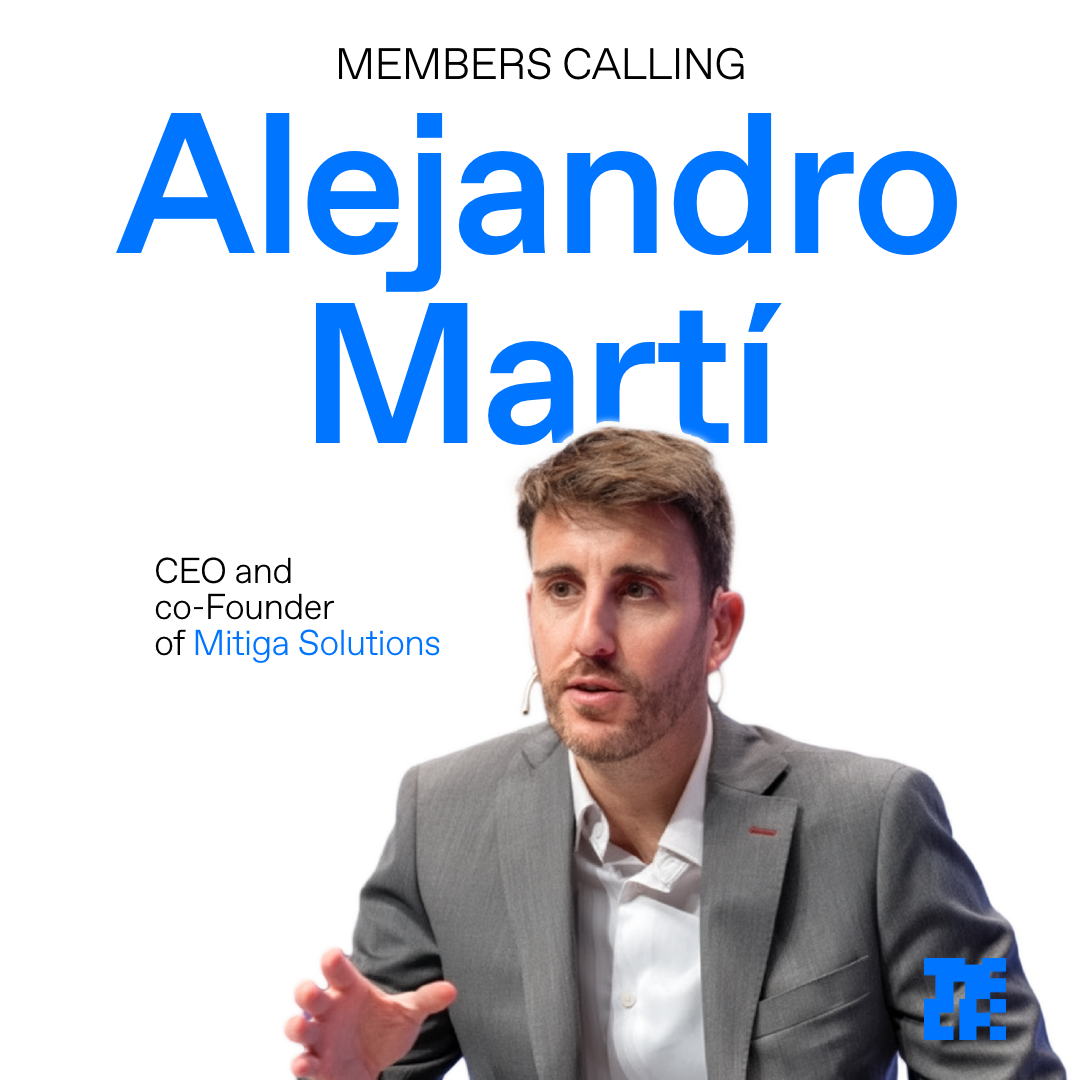
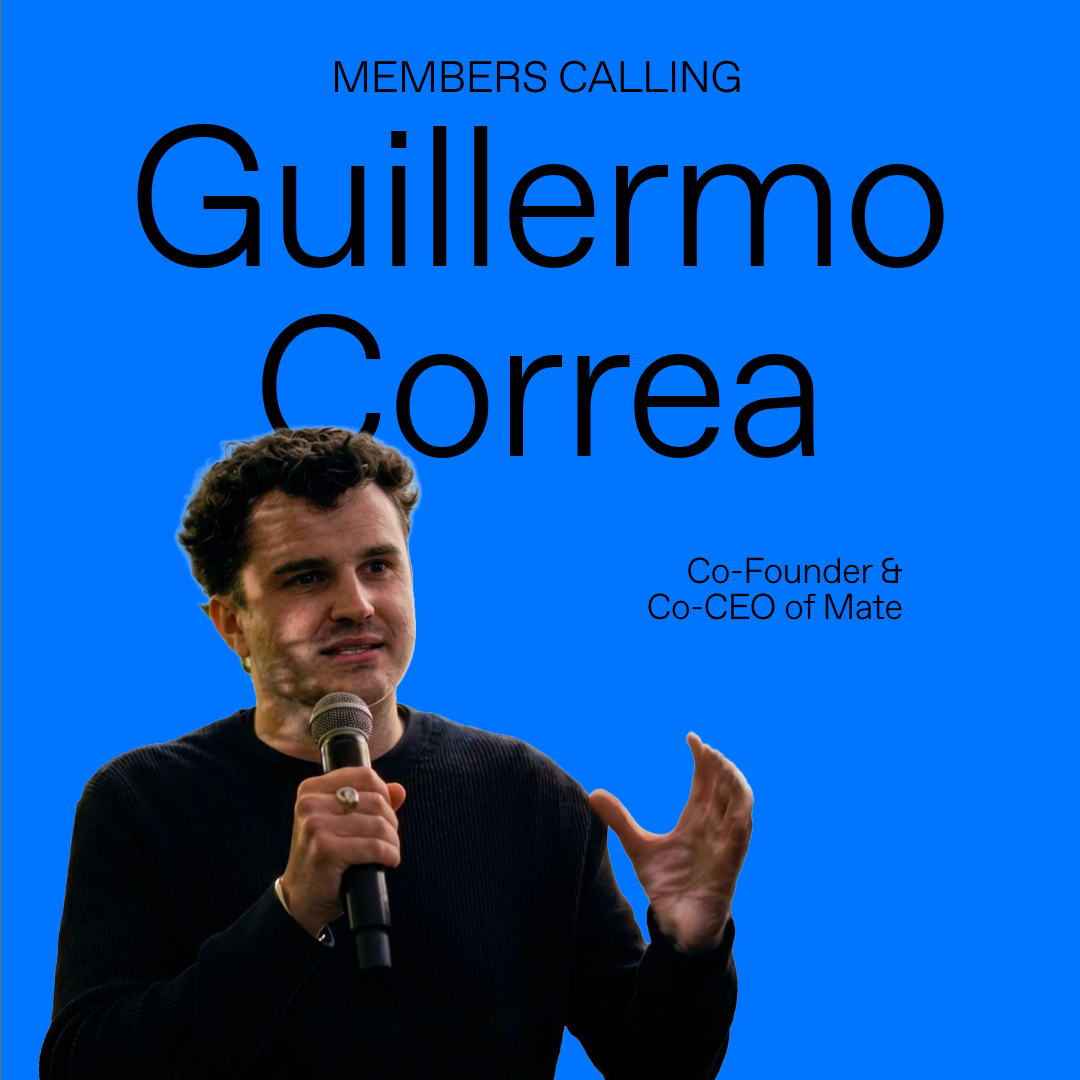
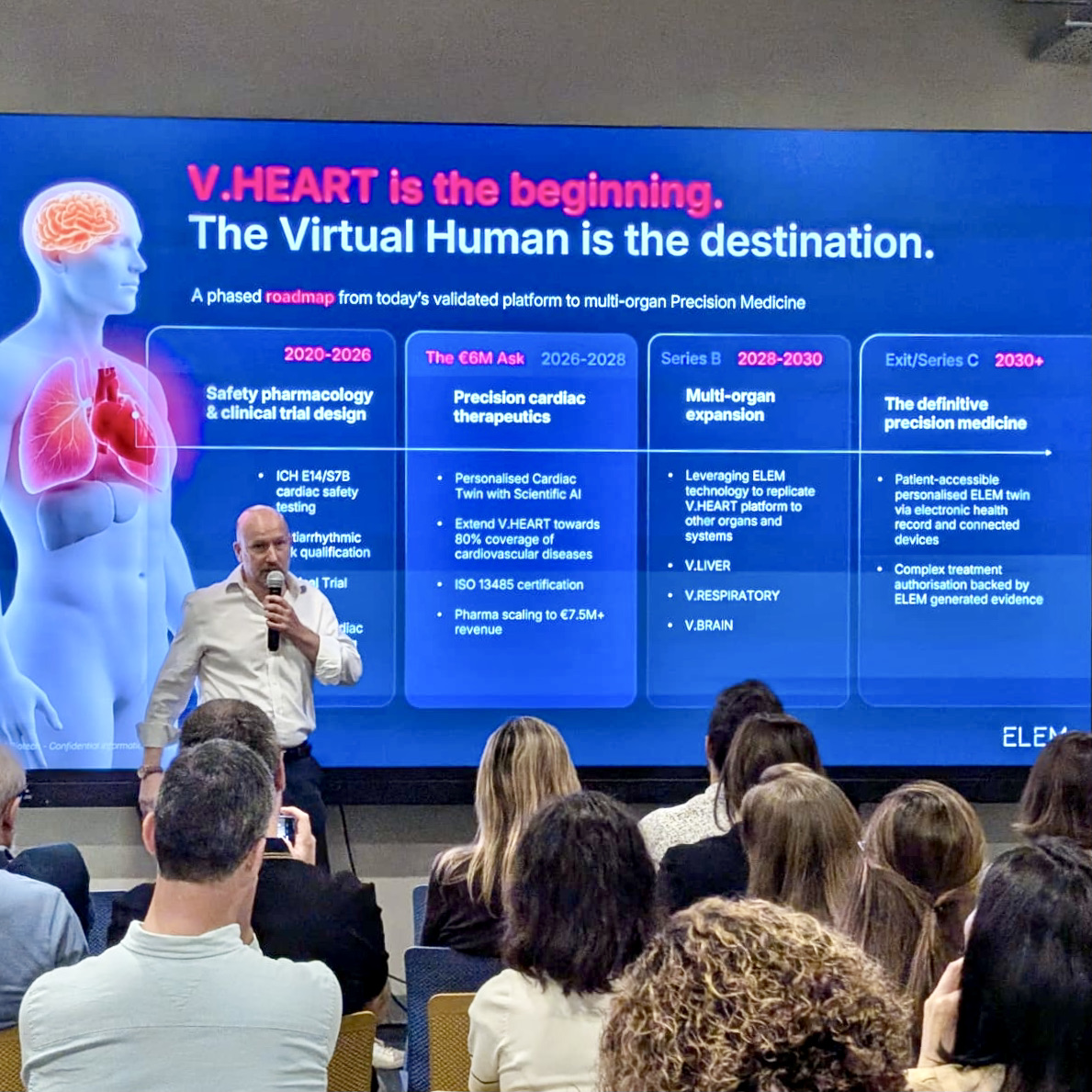
The Structured Finance Hackathon is back!
Last year, teams came together to build tools for one of the most complex and least automated areas of finance.
The competition returns online from 27 May, ending in Barcelona on 10 June.
Sign up here https://barcelona.aitinkerers.org/p/structured-finance-hackathon-2026
Archives: Postings
It is now widely recognized that communication today is profoundly shaped by the widespread use of social media, which has established itself as the primary source of information for Generation Z (those born between 1997 and 2010), replacing traditional media in this role.
Whether unconsciously, through what is known as “incidental consumption”, or by actively seeking information through hashtags or informational pages on platforms like TikTok or Instagram, traditional media such as newspapers and television are no longer part of Generation Z’s information diet. Communication through social media defines a new way of staying informed that is faster, more fragmented, and constant.

But how do young people stay informed?
On the one hand, there is the factor of “incidental consumption”, a term that refers to young people not actively “seeking out” the news, but rather “stumbling upon” it while consuming content on social media. In this case, information reaches them in a fragmented and decontextualized way, through short messages and without the traditional editorial filter of journalism. On the other hand, when it comes to exploring news content in greater depth, there are several ways to access more detailed information, ranging from the choice of social media platform to methods such as using hashtags. Social media presents information in a wide variety of formats: podcasts, YouTube videos, posts by content creators, pages dedicated to specific topics… Generation Z chooses the format that best suits their preferences or the moment in which they are consuming the content.
Faster Information and Different Formats
In any case, the digital environment plays a fundamental role. However, it is not only young people’s sources of information that have changed, but also who they trust. It is no longer simply a matter of relying on the recognized name of a newspaper or a television program that has served as a benchmark for news for decades. Instead, the clarity and sensitivity expressed by some digital content creators make young people feel that their worldview is also valid and deserves to be taken into consideration.
The reason behind this return to the cult of individuality is clear: people personally identify with these creators, whom they perceive as peers, establishing an emotional connection and sense of closeness that conventional media cannot replicate. This preference reflects several limitations of the traditional media model. Young people reject the way they are often portrayed, frequently through stereotypes or narratives of conflict that do not align with their reality. Added to this is the perception that content is overly politicized, which undermines trust in the objectivity of the media.
At the same time, social media has become the natural habitat of Generation Z. There, influencers master a visual, concise, and direct language that instantly connects with their audience. The rise of amateur content, from streamers to “Twitch idols”, contrasts with the rigid and linear format of traditional television, which this generation perceives as outdated and inflexible. In contrast, digital creators offer transparency, relatability, and thematic affinity, adapting to the audience’s pace and interests.
Therefore, it is no coincidence that traditional media outlets have turned to the digital sphere, incorporating formats and content typical of social media: stories, reels, and posts that summarize historical events while capturing the attention of this audience. This shift is redefining communication and marketing. In this sense, brands are no longer competing solely for attention, but for credibility in an environment where content creators generate more trust than many traditional media outlets.
Keep reading the article on our blog: https://lfchannel.com/en/how-does-generation-z-stay-informed/
You have until June 12th to apply for the “Science and Innovation Missions” grant, promoted by the Centre for the Development of Technology and Innovation (CDTI).
The aim of this grant is to foster innovative solutions to major national challenges through collaboration between companies and research organizations. Eligible projects must meet a set of requirements and fit within one of the defined missions, including areas such as energy, agri-food, or aerospace.
To learn everything you need to know about this funding opportunity, click on the link.
Postings
Ingelectus and Loradix, the startups selected by ERIA to accelerate digitalization and energy flexibility
Por ERIA
ERIA, the corporate venturing arm of the energy group Estabanell, has launched the third edition of its acceleration program in Granollers with a Growth Bootcamp marking the start of six months of intensive work alongside the selected startups: Ingelectus and Loradix.
Both companies will develop technological solutions aimed at addressing real challenges in the energy sector, including the digitalization of power grids, distributed energy flexibility, and the optimization of household consumption.
This new edition reinforces ERIA’s commitment to open innovation and collaboration with startups capable of delivering solutions applicable to today’s and future energy business.
Technology to transform the energy sector
Over the next six months, the two startups will work on projects linked to strategic challenges identified by different areas of Estabanell.
In the field of energy distribution, the focus is on developing new digital services for the low-voltage grid, leveraging the opportunities offered by infrastructure digitalization and intelligent data use.
To address this challenge, Ingelectus, a Seville-based startup, will contribute its expertise in advanced monitoring and control technologies for smart electricity grids. The company brings more than a decade of international experience developing solutions for more efficient, secure grids ready for new data-driven energy services.
Meanwhile, in the energy retail area, the goal is to develop household micro-flexibility solutions that optimize energy consumption and improve user experience.
In this area, Loradix, a Madrid-based startup specializing in connectivity and energy micro-flexibility for homes, will work on solutions aimed at improving communication coverage and enabling new services related to home automation, energy efficiency, and smart consumption management.
A program designed to accelerate real-world solutions
ERIA’s acceleration program follows an equity-free model and combines strategic support, specialized mentoring, and business validation.
Participating startups will receive support from Áticco Lab experts in business growth and energy specialists from Estabanell, who will work alongside founding teams to define objectives, validate proposals, and accelerate solution development.
At the end of the program, startups with the strongest fit and maturity may validate their technology in a real environment within the Estabanell Group through a proof of concept, with access to infrastructure, expert knowledge, and internal resources.
The startup with the best performance during the program will receive a €10,000 prize, based on KPIs defined throughout the acceleration process.
Open innovation connected to business
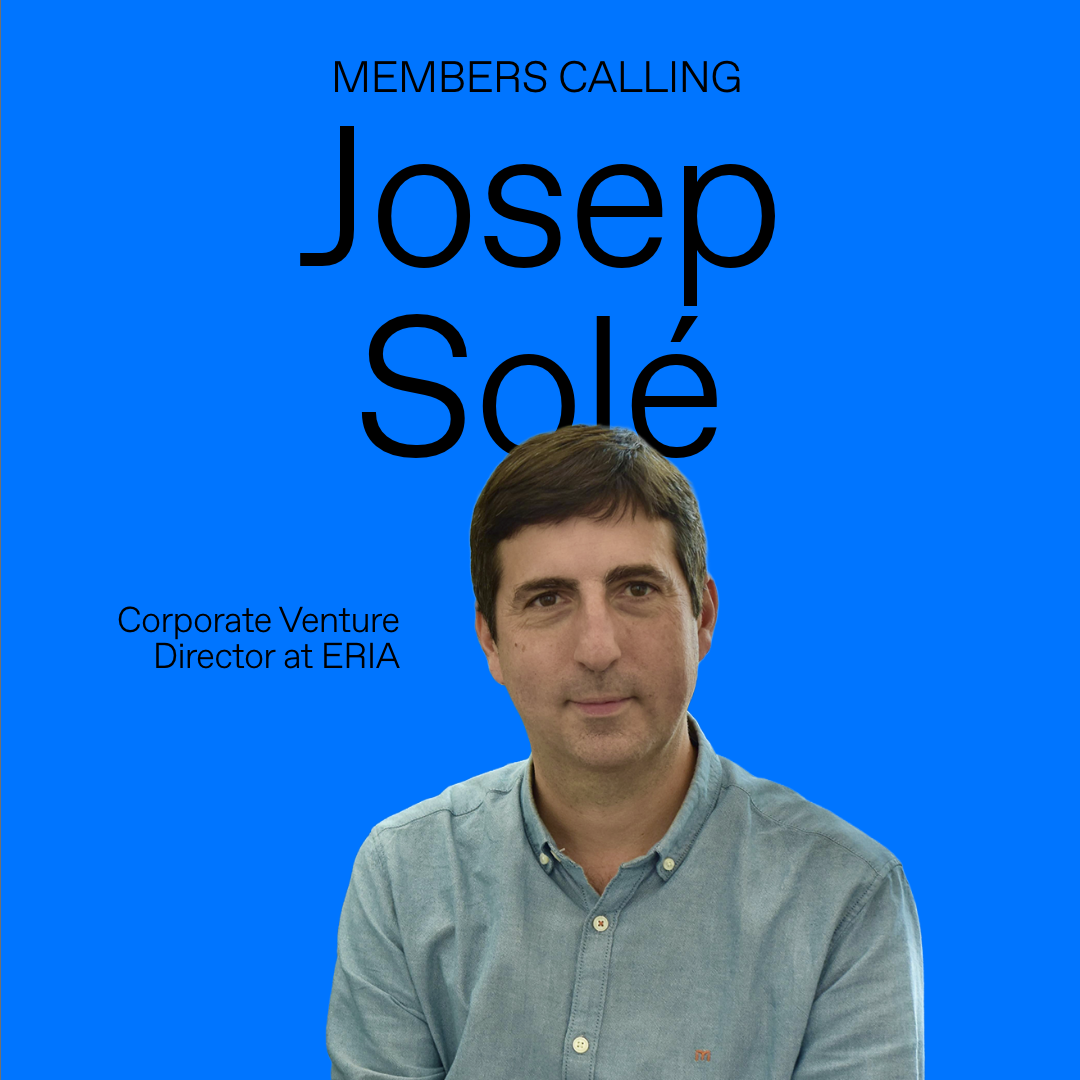
With this third edition, ERIA strengthens its commitment to collaborating with startups to identify innovative solutions that can be integrated into real operations and services, accelerating the transformation of the energy sector from a practical perspective aligned with current market needs. As Josep Solé, ERIA director, highlights: “Startups bring speed, adaptability, and innovative solutions that complement the capabilities of a century-old corporation.

Open and upcoming funding calls
Catalonia
→ Freelancers and single-member LLCs (SLU): up to €40,000 for hiring staff (2 contracts / 18 months)
→ Freelancers and SMEs: up to €20,000 for hiring vulnerable profiles (up to 10 contracts / 24 months)
→ New freelancers under 30: up to €12,000 to launch a project over 18 months
Basque Country
→ Industrial companies: projects in 5 AI areas, up to €100,000 covering 60% of the investment
→ Industrial companies: cybersecurity implementation, up to €100,000 covering 60% of the investment
Madrid
→ Research staff: up to €99,000 for 3 hires over 12 months
→ Freelancers and micro-SMEs: up to €140,000 covering 50% of the investment for business growth, revenue increase, process improvement, etc.
Andalusia
→ Freelancers and SMEs: staff hiring (under 30 and over 45), up to €20,000 per contract, no limits
Interested in any of these? Contact us at gestion@innovalaus.com or WhatsApp +34 646 47 47 43.
Innovalaus


At Canyon, we’re growing our Salesforce team and looking for senior talent to join us in shaping the future of digital commerce and customer experience.
We’re currently hiring for the following roles:
- Senior Software Architect – API & Integration (m/f/d)
https://careers.canyon.com/job/SENIOR-SOFTWARE-ARCHITECT-API-&-INTEGRATION-%28MFD%29/1169-en_US - SAP Inhouse Consultant (m/f/d)
https://careers.canyon.com/job/SAP-INHOUSE-CONSULTANT-%28MFD%29/1170-en_US - Senior IT Portfolio & Release Manager (m/f/d)
https://careers.canyon.com/job/SENIOR-IT-PORTFOLIO-&-RELEASE-MANAGER-%28MFD%29/1171-en_US - Senior IT Test Manager (m/f/d)
https://careers.canyon.com/job/SENIOR-IT-TEST-MANAGER-%28MFD%29/1172-en_US - IT Service Engineer (m/f/d)
https://careers.canyon.com/job/IT-SERVICE-ENGINEER-%28MFD%29/1173-en_US - IT Network Engineer (m/f/d)
https://careers.canyon.com/job/IT-NETWORK-ENGINEER-%28MFD%29/1175-en_US - IT System Engineer Cloud (m/f/d)
https://careers.canyon.com/job/IT-SYSTEM-ENGINEER-CLOUD-%28MFD%29/1176-en_US - IT System Engineer (m/f/d)
https://careers.canyon.com/job/IT-SYSTEM-ENGINEER-%28MFD%29/1177-en_US
If you’re passionate about scalable architectures, high-performance digital experiences and working with international teams, we’d love to hear from you.
Hello everyone!
As a Tech Barcelona member, I’d like to share a potential collaboration opportunity for the months of June and July between CIEE and Tech Barcelona member companies.
This year, I started collaborating with CIEE Barcelona (Council on International Educational Exchange) as a Business Ethics professor and also with the Internship Department. My current role is to help connect US students in Mechanical Engineering and Biomedical Engineering with companies interested in hosting interns.
Below you can find the official collaboration proposal so you can evaluate this opportunity between your companies and CIEE:
***
I’m reaching out to share a potential collaboration opportunity for June and July between CIEE and partner companies. CIEE works with undergraduate students in Mechanical Engineering and Biomedical Engineering from accredited US universities who are looking for internship opportunities. These are unpaid internships, meaning there is no cost involved for the hosting company.
These students can support technical teams with both engineering and documentation-related tasks.
Benefits:
- No cost for the company: internships are unpaid
- Full administrative support: CIEE handles visas, insurance, and all student administration
- Technical profiles: students with experience in CAD design, data analysis, robotics, and sustainability
Internship details:
- Schedule: Part-time (4 hours/day, Monday to Thursday)
- Dates: June 9th – July 30th
Below is a selection of profiles for your consideration:
| Student ID | Major | Interests | Availability | Program |
| 8211 | Mechanical Engineering | Mechanical Engineering internship, Sustainability / Environment , Business‑side roles (e.g., consulting) | 09/06 – 30/07 MON – THU 9 to 13h | Part time |
| 8212 | Mechanical Engineering | Renewable energy and sustainability‑focused Engineering, Biomedical and adaptive technology projects, Materials Engineering | 09/06 – 30/07 MON – THU 9 to 13h | Part time |
| 8213 | Mechanical Engineering | Business – Consulting, Mechanical Engineering, Environmental / Sustainability Engineering | 09/06 – 30/07 MON – THU 9 to 13h | Part time |
| 8217 | Mechanical Engineering | Engineering design, CAD modeling, Engineering | 09/06 – 30/07 MON – THU 9 to 13h | Part time |
| 8219 | Mechanical Engineering | CAD Design, Testing / Data Analysis, Business – Management | 09/06 – 30/07 MON – THU 9 to 13h | Part time |
| 8229 | Mechanical Engineering | Robotics, 3D modeling and design, Finite Element Analysis (FEA) & Computational Fluid Dynamics (CFD) | 09/06 – 30/07 MON – THU 9 to 13h | Part time |
| 8224 | Biomedical Engineering | Biomedical / Medical Engineering, Engineering Product Management, Sales / Business Development (engineering‑related) | 09/06 – 30/07 MON – THU 9 to 13h | Part time |
If you think any of these profiles could fit your company or startup, feel free to contact me via DM or at nuria@nuraframes.com. I can share the students’ CVs for review and connect you directly with CIEE to discuss next steps.
Thank you for your collaboration!
Best regards,
Nuria Antolí
CEO & Founder
NURAFRAMES: The Visual Health Wearable
www.nuraframes.com
- Professor and Collaborator at CIEE Barcelona